Panel Upgrade for EV Charger Installation in Oakville
Many Oakville homes can add an EV charger without a panel upgrade, but larger properties with heavy loads are more likely to need one. A load calculation gives the clear answer, and load management often bridges the gap.
Published
Updated
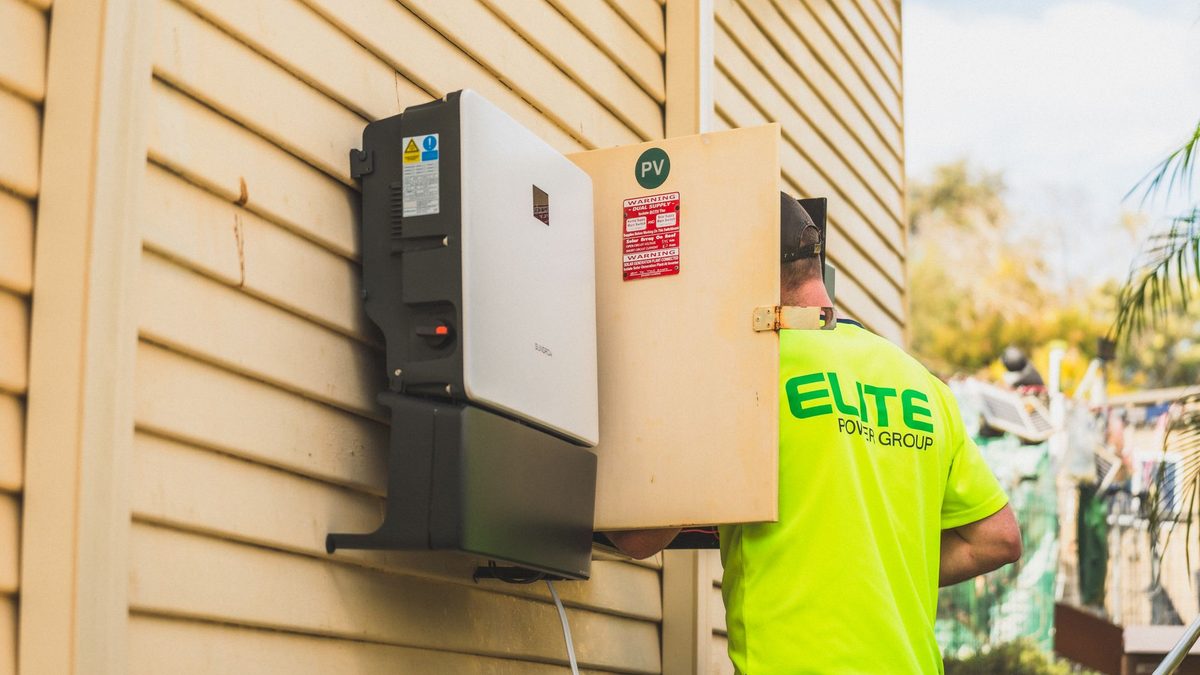
An EV charger does not automatically mean a larger panel is needed in Oakville. A load calculation checks the existing demand and proposed charging load before deciding on capacity, load management or an upgrade. This guide explains the options to discuss with the contractor.
What the load calculation actually weighs in an Oakville home
Skip the abstract theory and look at what your contractor should add up. A charger is among the heaviest continuous loads a home can carry, so before any breaker goes in, a licensed contractor totals your real demand against the service rating, and on these properties the list runs long:
- Electric, hybrid, or heat-pump heating, the single biggest swing on most Oakville homes
- Central air conditioning, often sized large for the square footage here
- A pool, hot tub, or spa, common on these lots and a heavy draw
- A large electric range and oven, sometimes a second kitchen or a workshop
- Electric water heater or dryer
- The proposed EV charger circuit on top of all of it
Adding a charger to a service that is already near that ceiling is both unsafe and against the Ontario Electrical Safety Code, which is exactly why the calculation, not a guess, makes the call.
Why these homes lean toward tight
This is where Oakville parts ways with a typical city lot. A spacious home running central air, electric heat, a pool, and a big range can sit closer to its limit on 100 amps than a modest bungalow does, because every one of those systems leans on the same service. The heavier the baseline, the more often the calculation points toward an upgrade or load management, and the more it pays to run it properly.
100 amps versus 200 amps in Oakville
A Oakville property with a 200-amp service still needs a load assessment; the service rating alone does not establish spare capacity. A 100-amp service can sometimes support charging too. The contractor checks existing demand and the proposed charging current, then compares a suitable circuit, approved energy management and any necessary service work.
Load management, the route that saves the most
In Oakville, a timer or app schedule chooses when charging starts; it does not by itself monitor all household loads. A contractor may use a lower configured current or an approved EV energy management system after checking capacity. Dynamic management needs compatible monitoring and control equipment, which may be sold separately. Tesla explains its power-management options; the contractor confirms equipment and compliance for your property.
When a subpanel is the tidy answer
Sometimes the main panel is simply out of physical space while the service still has headroom. A subpanel fed from the main adds breaker capacity and gives the charger circuit a clean home without replacing the whole service. It is not always cheaper than an upgrade, but in the right situation it is a tidy, code-compliant fix. A dedicated 240-volt EV outlet can also be fed cleanly from a subpanel where a plug-in setup suits you.
When the upgrade is genuinely the right call
Sometimes the panel is genuinely full, with no open breaker spaces, or the service is maxed by heating and a pool. Then a panel upgrade to 200 amps is the correct, lasting fix, and it future proofs the home for a second EV, a heat pump, or a workshop. Your contractor should tell you straight which camp your home is in.
Signs your service may already be near its limit
You do not need to read a load calculation to spot the early warning signs before booking an assessment. A few things suggest the service could be tight:
- A 100-amp main breaker on a larger home
- A panel with no spare slots, or one already using tandem breakers to squeeze in circuits
- Electric heating, a pool or hot tub, and a big electric range running together
- Breakers that occasionally trip when several large loads are on at once
None of these rules out a charger on its own, but together they make the load calculation the deciding step rather than guesswork.
Installation facts and equipment guidance
ESA notification and contractor requirements explain electrical-work responsibilities. Manufacturer charging guidance explains why output varies by vehicle and power supply. Ask the confirmed contractor to apply those requirements to your Oakville project.
First enquiry and later project review
Start with the short enquiry form: first name, preferred contact details and postal code. After first contact, the service provider may request the project details and photos below. The form does not take attachments.
- A clear photo of your panel with the door open and breakers visible
- Whether your heating, range, water heater, and dryer are gas or electric
- Whether you have a pool, hot tub, or workshop
- Your EV model and target charger
Start with Get A Free Quote. Your enquiry goes to the service provider, which may ask for panel and parking photos after first contact and confirms the contractor, scope, price and availability.
Frequently asked
Will my Oakville home need 200 amps before I can add a charger?+
The property's assessed loads decide what charging current is suitable. A large Oakville house can have substantial demand already, so review the actual equipment instead of selecting service work from floor area alone.
Why does the load calculation matter more on a big Oakville home?+
Because the baseline is heavier. Central air, electric or hybrid heat, a pool, and a large range all pull on the same service, so a spacious home can sit closer to its ceiling than a small one. That heavier draw is why the calculation, rather than a quick guess, decides whether you need an upgrade.
What does it add to the job if I do need a service upgrade in Oakville?+
Have the proposal distinguish the new service from the charger installation. Utility coordination, panel equipment, associated wiring and finishing can change the added amount, so compare a complete assessed scope rather than a standard surcharge.
Can a smart charger keep my Oakville pool-and-electric-heat home off a full upgrade?+
The pool and electric heat must be included in the calculation. Compare an approved compatible demand-management design and its achievable charging with the proposed service upgrade; an overnight timer does not monitor those loads.
After panel work on an Oakville home, what does the ESA inspection check?+
The contractor should identify which stages of the service and circuit work need ESA review. Agree how any outage, concealed wiring and completion record are handled, rather than assuming a cosmetic final check is the whole process.