Oakville Hydro EV Charging Costs for Homeowners
Run two larger EVs at one Oakville address and the rate plan you sit on quietly decides the monthly total. Oakville Hydro offers Ontario time-of-use, tiered, and an ultra-low overnight option, and the right pairing of plan and schedule keeps a two-car household charging at the bottom of the price ladder.
Published
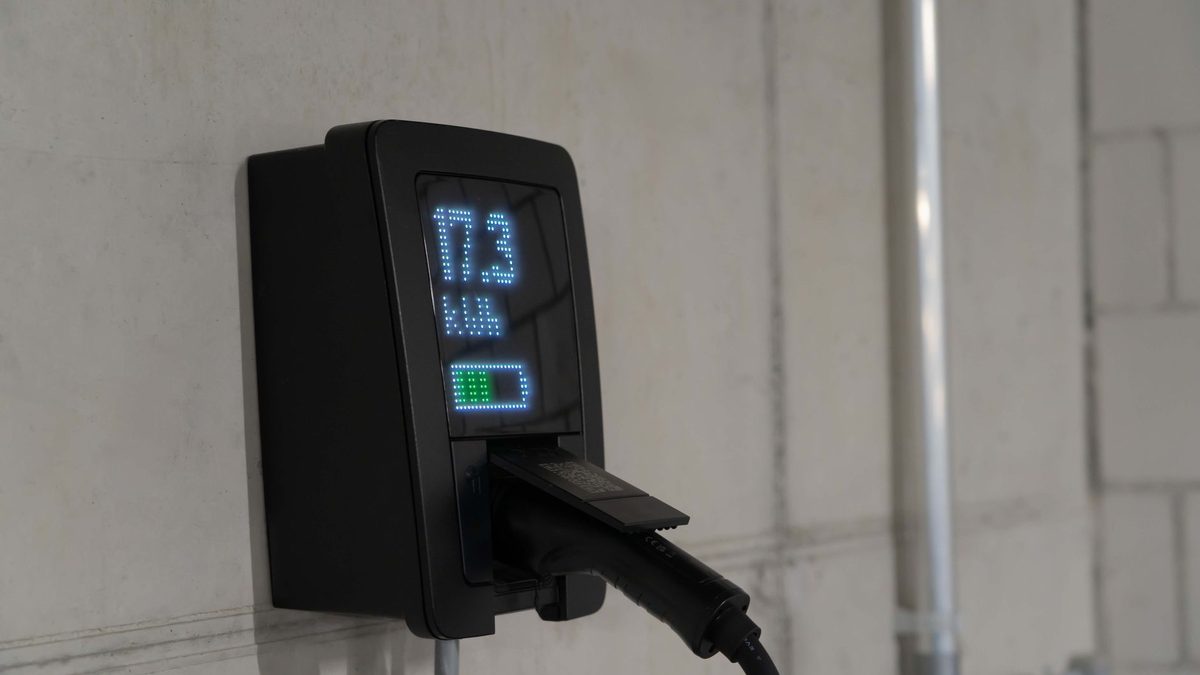
Two larger EVs in one Oakville garage, say a Model X beside a Taycan, change the rate-plan question entirely. A single commuter car forgives a sloppy schedule; two big batteries drawing back to back do not. Oakville EV Charger Pros sets up these multi-vehicle homes so both cars finish overnight on the lowest available rate, and this guide walks a two-EV household through the plan choices, the scheduling, and the part of the Oakville Hydro bill that timing can and cannot move.
Two big batteries, drawn back to back
Begin with what makes a premium household different. One EV sips; a pair of large-battery vehicles charging the same night can pull as much energy as the rest of the home combined, which is exactly why the rate plan beneath them is worth getting right. On tiered pricing that combined draw can tip you over the monthly threshold into the dearer second tier partway through the month. Spread the same energy across the cheapest overnight hours instead and the two cars behave like one well-timed load rather than two surprises on the statement.
Matching a two-EV home to the right Oakville Hydro plan
Oakville Hydro residential accounts can sit on more than one structure, and the best fit shifts once a second EV joins the driveway. Time-of-use prices power by the hour, cheapest overnight; tiered holds one rate to a monthly cap then steps up; and the ultra-low overnight option trades a very cheap night block against a steeper daytime rate. For a household scheduling two cars to charge while everyone sleeps, the plans that reward night-time use almost always win, because nearly all of your heaviest draw lands in their cheapest hours by design.
The ultra-low overnight plan, made for a two-car driveway
Ontario's ultra-low overnight rate plan reads as if it were drawn up for this household. It pairs a deeply discounted overnight block with a higher on-peak rate, so a home that pushes nearly all of its charging into the small hours and draws little by day can capture the night discount on both cars at once. It is worth asking Oakville Hydro whether the plan suits your usage, since switching is a request to the utility rather than any rewiring, though the utility may cap how often you can change.
Setting two cars to schedule themselves
White-glove charging means neither car needs a hand on the timer. A smart charger on each vehicle, or a power-sharing pair on one circuit, can be set once to wake only inside the cheap overnight window and then left alone. Many units log energy and cost per session, so you can confirm both cars charged at the night rate and see the saving in numbers. Paired with a Level 2 install, the household charges at the bottom of the rate ladder without anyone thinking about it; a simple timer on a plug-in EV outlet covers a lighter version of the same idea.
Sequencing the two so both finish by morning
With larger batteries the order matters as much as the start time. Power-sharing chargers split a single circuit between the two cars and stagger them so both reach a full charge before the morning peak arrives, rather than one car hogging the supply while the other waits. Where each car has its own circuit, we set staggered finish times so neither spills past the off-peak block. Either way the goal is the same: two full batteries at dawn, all of it bought at the night rate.
Who fixes the rate, and why no number is printed here
It helps to know the price is not Oakville Hydro's to invent. The utility moves the electricity along the local wires, but the residential rates and the hour-by-hour windows are handed down by Ontario's energy regulator and revised on a periodic cycle, so any cents-per-kilowatt-hour I quoted today could be wrong by your next bill. That is why this guide points to which window is cheapest and leaves the live figure to your own Oakville Hydro statement. Whatever the exact rate, the shape holds: cheap overnight, expensive through the working day and early evening.
The slice of the bill your schedule can actually move
A point that catches out new two-EV owners: shifting your charging only bends part of the total. An Oakville Hydro statement carries fixed delivery and regulatory line items that are charged regardless of the hour you draw power, and scheduling does nothing to those. What it does move is the energy portion, the part the time-of-use windows govern, and that is where two large batteries pile up the most. Steer all of that draw into the off-peak block and you cut the one line your habits control, which is why the saving on the energy line is real even though the saving on the grand total looks gentler.
Putting a monthly figure on two premium EVs
The arithmetic stays simple even with two cars. For each vehicle, multiply its monthly kilometres by its efficiency in kilowatt-hours per 100 km, then by your overnight rate, and add the two together. A mid-size EV covering 1,500 km a month runs through roughly 270 to 300 kWh, landing near the lower end on the night rate; a heavier Model X or Taycan over similar distance pulls more and sits higher. Run the pair and the combined total is still a number you can predict to within a few dollars, and a charger that reports real usage takes out even that guesswork. For a household used to variable fuel bills across two performance cars, a steady, schedulable electricity line is one of the quieter pleasures of going electric.
What to send before requesting a quote
- Both EV models and a rough nightly charging need for each
- A photo of your panel for sizing two circuits or a shared one
- Whether you want per-car smart chargers or a power-sharing pair
Want both cars to charge themselves at the cheapest Oakville Hydro hours every night? Send your details to our installation team via the quote form and we will match smart chargers and a schedule to your rate plan, installed to the standard a two-EV garage deserves.
Frequently asked
With two EVs in our Oakville garage, what hours should they charge in?+
Both should run inside the overnight off-peak window, when Oakville Hydro time-of-use power is cheapest, with weekends and statutory holidays off-peak around the clock. Stagger the two finish times so neither car spills into the morning peak, and set each charger once so the schedule runs itself with no nightly attention from you.
Running two big EVs in Oakville, is time-of-use, tiered, or the ultra-low plan best?+
The plans that reward night-time use, time-of-use and especially the ultra-low overnight option, usually suit two large batteries, since almost all of your draw lands in their cheapest hours. Tiered pricing is the one to watch, because two cars together can push your monthly usage past the threshold into the steeper tier. Compare each against how much the pair actually charges.
Does Oakville Hydro have a rate plan that fits a two-car EV household?+
The ultra-low overnight rate plan fits it well, pairing a deeply discounted overnight block with a higher daytime rate. A home that charges both cars at night and draws little power by day captures that discount on both vehicles at once, so it is worth asking Oakville Hydro whether the plan suits your usage.
Why won't you just print the Oakville Hydro cents per kilowatt-hour?+
Because the utility only carries the power along the wires; the residential rates and the time-of-use windows are set by Ontario's energy regulator and revised on a periodic cycle. A figure printed today could be wrong by your next statement, so check your current Oakville Hydro bill for the exact rate. The cheap-overnight, costly-daytime pattern stays put regardless.
For two premium EVs on Oakville Hydro, do smart chargers really pay off?+
With two large batteries, clearly. Per-car smart chargers or a power-sharing pair keep every session inside the off-peak window and stagger the cars so both finish before the morning peak, which adds up fast against unscheduled charging that strays into peak rates. The exact saving tracks your driving, but across two performance EVs over a year it is a clear and effortless win.