EV Charger Installation for Oakville Luxury Homes
On an Oakville estate the charger is part of the garage, so the install is judged on finish as much as function. Concealed cable routing, multiple vehicles, and panel capacity are what a luxury-home job turns on.
Published
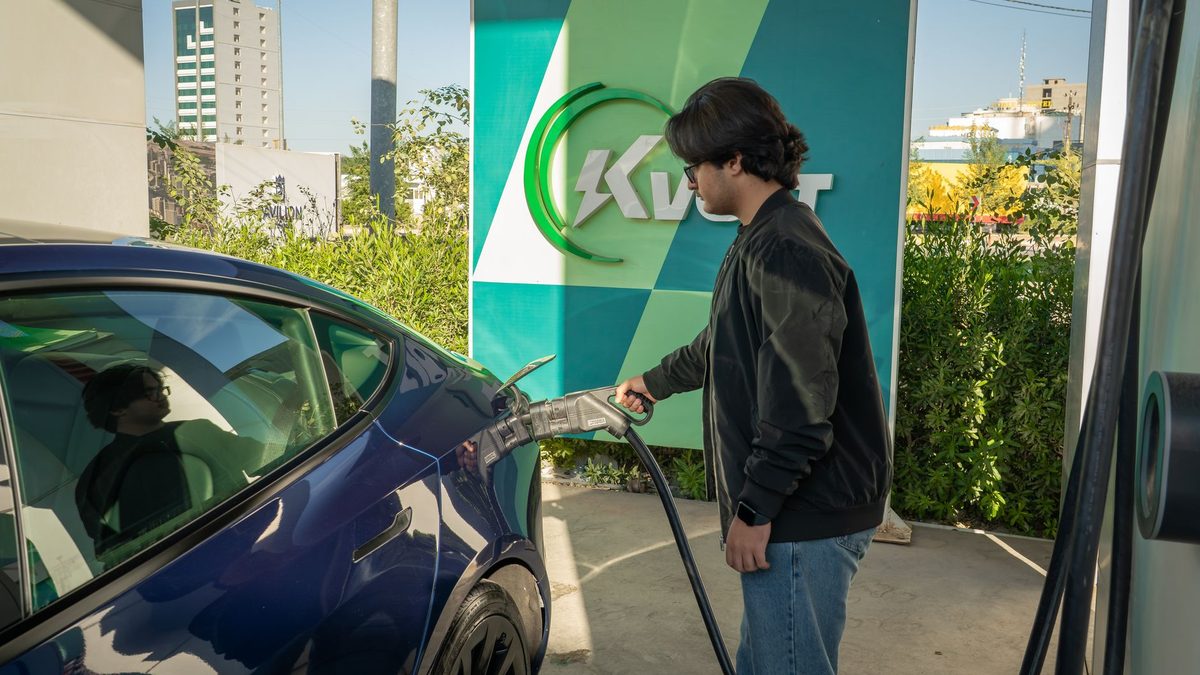
Charging an EV in a luxury Oakville home is a different brief from a standard install. Oakville EV Charger Pros approaches these properties with the finish in mind, because in a showpiece garage the charger sits beside cars the owner cares about and a clean install is the whole point. This guide covers concealed routing, multi-vehicle setups, panel capacity, and the white-glove details that make the difference.
Concealed cable routing
The single thing that separates a luxury-home install from an ordinary one is how little of the wiring you can see. Wherever the structure allows, we run the feed inside finished walls, through ceiling cavities, or in conduit colour matched to the surface, so the charger appears to plug into the wall with nothing trailing across it. On a long run from a basement panel to a detached garage, this takes planning at the assessment stage, but the result is a charger that belongs in the room rather than interrupting it.
Multiple vehicles, one clean system
Estate garages frequently hold more than one EV, perhaps a Tesla alongside a Porsche or an Audi. We plan for that from the start. Options include:
- Two units sharing a single circuit with automatic power splitting
- Linked Tesla Wall Connectors for an all-Tesla household
- A universal Level 2 charger for a mixed fleet, plus a second point sized for growth
Designing the circuit for two cars now avoids opening finished walls again later, which on a high-end property is the expensive part.
Panel capacity on a larger home
Luxury homes carry heavy baseline loads from central air, heating, pools, and large ranges, so capacity is a real consideration. A 48-amp charger, or two, is a significant addition. A load calculation comes first, and where the service is tight the answer is either a panel upgrade to 200 amps, which also future proofs the home, or a load-managing smart charger that shares the existing service safely. We run the numbers before promising amperage.
Placement and presentation
Where the charger mounts is a design decision on these homes. We set the unit at a height that suits your charge port, square and level, on a wall that keeps the cable clear of the car's finish. For a driveway or exterior spot, outdoor-rated equipment is mounted to face the weather while staying unobtrusive. Small choices like cable length and mounting side keep day-to-day use effortless.
Permit, ESA, and a documented job
A clean finish is not a reason to cut corners on safety. EV charger installation should be completed by an ESA-licensed electrical contractor, with the permit pulled and the ESA inspection passed. On a high-value property a documented, inspected install is also what stands up at resale and satisfies insurers, so it is part of doing the job to the standard the home deserves.
Outdoor and motor-court parking
Not every Oakville charger lives in a closed garage. Some homes park in a motor court or a covered carport, where the charger faces the weather. Outdoor-rated equipment, sealed terminations, and a clean feed handle the cold and the freeze-thaw cycles of an Oakville winter without trouble. We mount the unit so the cable reaches the charge port easily and so the hardware sits discreetly rather than dominating the entrance, keeping the curb appeal intact while the practical job gets done.
The white-glove approach
Quality-first means more than tidy wiring. It is protecting the floor while we work, leaving the garage as we found it, walking you through the unit and its app before we go, and standing behind the finish. The aim is an install you do not have to think about again, which on a property where everything is considered is the only standard worth holding. It also means clear communication, a fixed price agreed up front, and the permit and ESA inspection handled on your behalf so the project runs smoothly from the first photo to the final test.
What to send before requesting a quote
- Photos of the garage and the wall where the charger will mount
- A photo of your panel with the door open
- How many EVs you charge now, and whether a second or third is likely
- Rough distance from the panel to the parking spots
Planning a charger that matches the rest of the home? Send your photos to EV charger installers in Oakville through the quote form and we will design the routing, plan for every vehicle, and quote one fixed price with a finish to suit the garage.
Frequently asked
Can the EV charger wiring be fully concealed in my Oakville home?+
In most cases, yes. We route the feed inside finished walls, through ceiling cavities, or in matched conduit wherever the structure allows, so little or no wiring is visible. On a long run to a detached garage this is planned at the assessment to keep the finish clean.
Can you set up charging for the multiple EVs in our Oakville estate garage?+
Yes. We can link two units to share a single circuit with automatic power splitting, link Tesla Wall Connectors for an all-Tesla household, or size a system for a mixed fleet. Planning for every vehicle up front avoids opening finished Oakville walls again later.
Do larger Oakville luxury homes usually need a panel upgrade?+
More often than smaller homes, but not always. The heavy baseline from central air, heating, and a pool leaves less spare capacity, so a load calculation matters. Where the service is tight, an upgrade to 200 amps or a load-managing smart charger solves it.
Will the install protect the finish of my Oakville garage?+
That is the intent of a white-glove approach. We protect the floor while working, mount the unit square and level clear of the car, conceal the cable where possible, and leave the garage as we found it. The finish is treated as part of the job.
Is an ESA inspection still required on a high-end Oakville install?+
Yes. Every hard-wired charger or new 240-volt circuit needs an electrical permit and an ESA inspection, regardless of the home's value. A documented, inspected install by an ESA-licensed contractor is also what holds up at resale and with insurers.