Best Home Chargers for Tesla, Porsche, and Audi EVs in Oakville
The best home charger for a premium EV in Oakville depends on the car, the look you want on the garage wall, and your panel. For most owners a 48-amp hard-wired Level 2 unit is the sweet spot.
Published
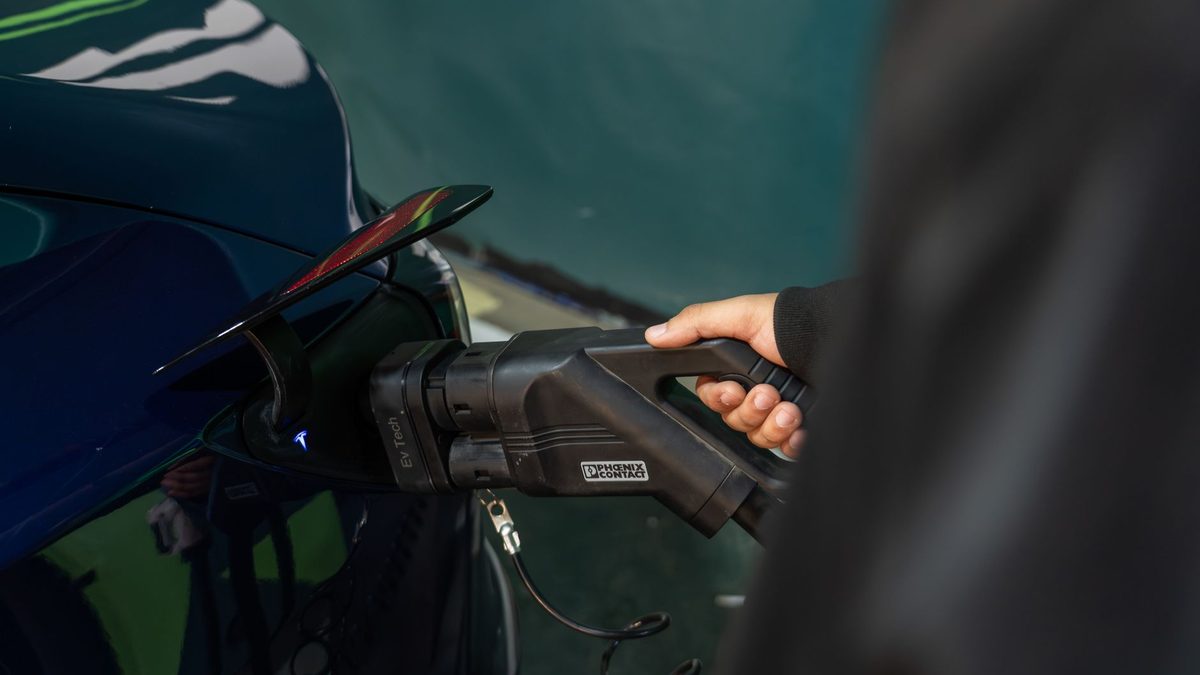
Oakville garages hold a lot of premium EVs, and the question owners ask most is which home charger to choose. Oakville EV Charger Pros installs every major brand, so this guide compares them honestly rather than steering you to one box. The short answer is that for a Tesla, a Porsche Taycan, or an Audi e-tron, a 48-amp hard-wired Level 2 charger usually hits the right balance of speed, finish, and value.
What actually matters in a charger
Brand names aside, the differences that affect you day to day are few:
- Amperage, which sets charging speed up to your car's onboard limit
- Hard-wired versus plug-in, which shapes the finish and the maximum amps
- Cable length and the side it exits, for an easy reach to the charge port
- Outdoor rating, if the unit lives on a driveway or exterior wall
- Smart features, scheduling, and energy tracking
A premium EV does not require a premium-priced charger. It requires the right amperage, a clean install, and a unit that suits how you use the garage.
How the popular units compare
| Charger | Best suited to | Notes |
|---|---|---|
| Tesla Wall Connector | All-Tesla households | Sleek, up to 48 A, NACS native, links for power sharing |
| ChargePoint Home Flex | Mixed fleets wanting app control | Adjustable amperage, strong app, J1772 |
| Wallbox Pulsar | Owners who value a compact look | Small footprint, app scheduling |
| FLO Home | Canadian winters and durability | Rugged, built for cold, simple operation |
| Emporia | Value with energy tracking | Affordable, load management, monitoring |
Each is a sound choice in the right home. The right pick is the one that fits your car, your panel, and the finish you want.
Charging a Tesla
For an all-Tesla household the Tesla Wall Connector is the obvious answer, sleek and native to the NACS port, and two units can share a circuit. If a Tesla shares the garage with a Porsche or Audi, a universal unit with a J1772 plug, or an adapter, may serve the household better.
Charging a Porsche or Audi
The Taycan and the e-tron accept a strong charging rate, so a 48-amp Level 2 unit lets them charge near their ceiling overnight. These use the J1772 connector for Level 2, which every universal charger here supports. Choose on finish, app features, and cable reach rather than the badge on the car.
Hard-wired or plug-in
A hard-wired unit gives the cleanest finish and supports the full 48 amps on most chargers, which suits a permanent garage spot on a premium home. A plug-in unit on a dedicated NEMA 14-50 outlet lets you unplug and take it along, at a small cost in maximum amperage. For most Oakville owners with a fixed spot, hard-wired wins.
Indoor and outdoor mounting
Where the charger lives shapes the choice as much as the car does. A unit on an interior garage wall has an easy life and can be almost anything reputable. A charger on a driveway or exterior wall needs a genuine outdoor rating and sealed terminations to handle an Oakville winter. FLO and the Tesla Wall Connector are both built for the cold, and most of the units above offer outdoor-rated models. We confirm the rating against your mounting spot so the charger lasts rather than corroding after a few freeze-thaw seasons.
Smart features worth having
A smart charger earns its place by scheduling charging into the cheap overnight window automatically and reporting what each session used, which is genuinely useful on a large-battery car. If you run more than one EV, a unit that supports power sharing keeps both charging without overloading the panel. These are the features that pay off, rather than novelty extras. App control and energy tracking are worth having, while a touchscreen on the charger itself rarely earns its keep when the car and a phone already do the job.
What to send before requesting a quote
- Your EV models, so we match the connector and amperage
- A photo of your panel with the door open
- A photo of the garage wall or spot for mounting
- Whether you want app scheduling and energy tracking
Not sure which charger fits your cars and your garage? Tell the Oakville EV Charger Pros team what you drive through the quote form and we will recommend a unit, confirm the circuit, and quote one fixed price for a clean install.
Frequently asked
What is the best home charger for a Tesla in Oakville?+
For an all-Tesla household the Tesla Wall Connector is the natural choice, sleek, native to the NACS port, and able to link two units for power sharing. If a Tesla shares the garage with another brand, a universal Level 2 unit may suit the household better.
In Oakville, what charger should a Porsche Taycan or Audi e-tron owner pick?+
Both accept a strong charging rate, so a 48-amp Level 2 unit lets them charge near their ceiling overnight. They use the J1772 connector for Level 2, which every universal charger supports, so choose on finish, app features, and cable reach rather than the badge.
Do the premium EVs common in Oakville need a more expensive charger?+
No. A premium EV needs the right amperage, a clean install, and a unit that fits your garage, not a premium price tag. A well-installed 48-amp Level 2 charger from any reputable brand serves a Tesla, Porsche, or Audi equally well.
For an Oakville garage, should I choose hard-wired or plug-in for a premium EV?+
Hard-wired gives the cleanest finish and supports the full 48 amps on most units, which suits a permanent garage spot. A plug-in unit on a NEMA 14-50 outlet lets you take it along at a small cost in maximum amperage. For a fixed Oakville spot, hard-wired usually wins.
Can one Oakville charger setup handle two premium EVs?+
Yes. Linked units or a power-sharing system let two EVs charge on a single circuit, splitting the available power automatically so the panel is not overloaded. We plan the circuit for that from the start so adding the second unit is straightforward.